
Welcome to the Subnivean Zone: Life Beneath the Snow

For the first time in a long while, it feels like we’ve had a “real” winter. Daily temperatures dance (or shiver & shake) in the teens, and the crisp morning air creeps just above zero degrees. Now, as the season slowly loosens its grip, snow still lingers along our walks and street corners—and so do the wildlife tracks that zigzag through the yard. Follow any mouse or vole tracks for long enough, chances are you’ll see them disappear beneath the snow, vanishing in plain sight.
Right then and there, you’ve found it: a secret entrance to the subnivean zone.
A hidden world beneath the snow.
The term subnivean comes from Latin roots meaning “under” (sub) and “snow” (nives), and describes the shallow layer that forms between the top of the soil and the snow above it. This insulated space creates a critical winter refuge for many small animals that remain active all season long.
Even as winter begins to wane, this beneath-the-snow habitat continues to shelter the wildlife that has depended on it for months.
How does it form? And what critters rely on it? Let’s take a look at this incredible microhabitat hidden beneath the snow.

How the Subnivean Zone is Formed:
The subnivean zone can be formed in one of two ways.
First, rocks, low-hanging tree branches, and low-lying vegetation can physically hold up the snow, creating insulated pockets of air beneath them.
The second, less obvious method is through a heat transfer process called sublimation. Heat radiating from the ground causes the bottom layer of snow to vaporize. That moisture then refreezes higher within the snowpack, gradually forming a distinct, solid crust — almost like an icy ceiling.
Both methods require a sufficient snowpack, typically six inches or more. After several winters with inconsistent snowfall, this year’s deeper snow has once again allowed this hidden world to fully take shape.
What Animals Can be Found in the Subnivean Zone?
While some animals head south or cozy up in their dens, many small mammals descend beneath the snow. Small mammals like mice and vole inhabit the subnivean zone – which creates an insulated and shielded environment that provides a humid winter habitat with relatively stable temperatures around 32 degrees. The entrance holes dug by the small critters double as ventilation shafts that prevent the build-up of carbon dioxide beneath the snow. A secret lair beneath the snow sounds like the perfect winter hideaway. But even down there, attacks from above lurk.
Hunters from Above — and Within
A barred owl waits patiently in the new fallen snow. Watching, listening. Its offset ears help triangulate the faintest sounds. A slight tremor of snow confirms the presence of a mouse or vole deep beneath the snow. With uncanny precision, the owl lifts off and plunges feet first into the snow finding its prey. The barred owl has evolved to survive in the northern winter. Its ability to see and hear the intimate movements hidden deep within the snow allow it to capture prey where other owls like the diminutive Northern Saw-whet must migrate to less inhospitable conditions to the south.
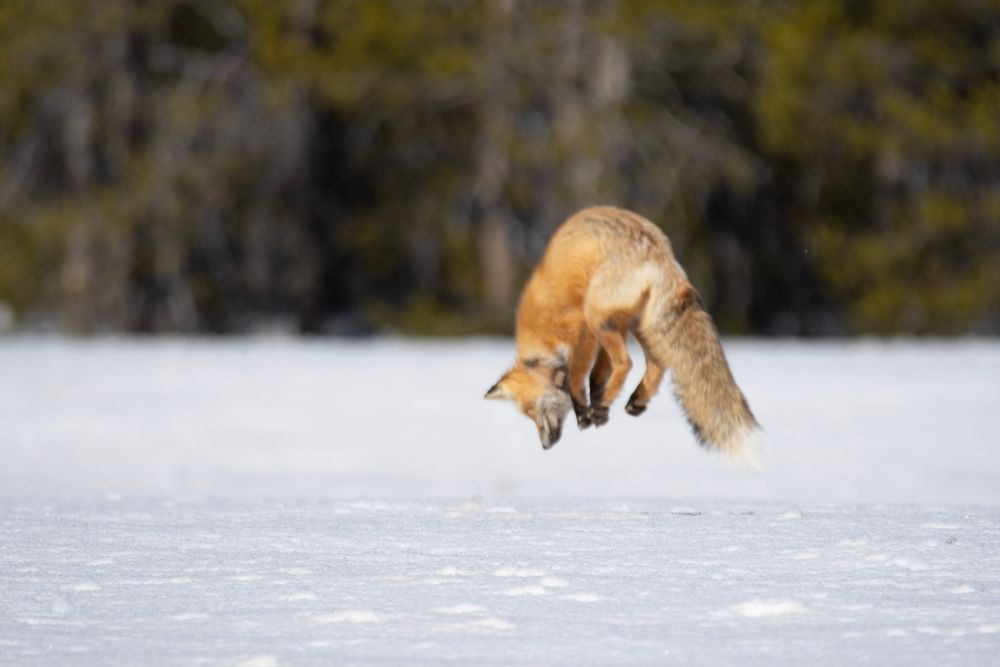
In equally dramatic fashion, foxes hunt their prey beneath the snow, too. With one acrobatic leap, a fox plunge-dives headfirst into the snow, piercing the roof of a subnivean tunnel and pinning a mouse in its grasp. It’s a mesmerizing hunting method called “mousing,” made possible thanks to the fox’s long snout, acute hearing, and remarkable ability to pinpoint movement beneath the snowpack.
As winter progresses, cycles of freezing and thawing can further fortify the snowpack, forming an icy crust that adds another layer of defense from above. Yet danger moves below the surface as well.
Life isn’t always peaceful for the meadow voles and mice living in the subnivean zone. Weasels and shrews hunt within the very tunnels meant to provide refuge. Their slender bodies slip through the narrow passageways carved by rodents, turning protective corridors into hunting grounds.
As the snow begins to melt, look for signs of subnivean activity. Once the bulk of the snow disappears, you may be able to see the remains of its tunnels and zigzagging corridors etched into the ground below.