
5 Wildflower Hikes in Central & Western Massachusetts

From hillside meadows to forested trails, central and western Massachusetts offers a rich mosaic of habitats where wildflowers burst into bloom each spring and early summer.
Whether you’re drawn to the delicate pink petals of lady’s slippers or the vibrant clusters of trillium, the colorful show that nature puts on every spring is coming (and may already be here) to a trail near you. But not for long. Spring ephemerals only exist for a few weeks each year. They’re here one week and gone the next.
To help you get the most out of your springtime strolls, we’ve put together five hikes in our region that not only lead you to beautiful views and peaceful forests, but they also offer some of the best opportunities to witness the seasonal beauty of native wildflowers across conserved lands in the region. Apart from Royalston Falls, Mount Grace has helped protect every property on this list.
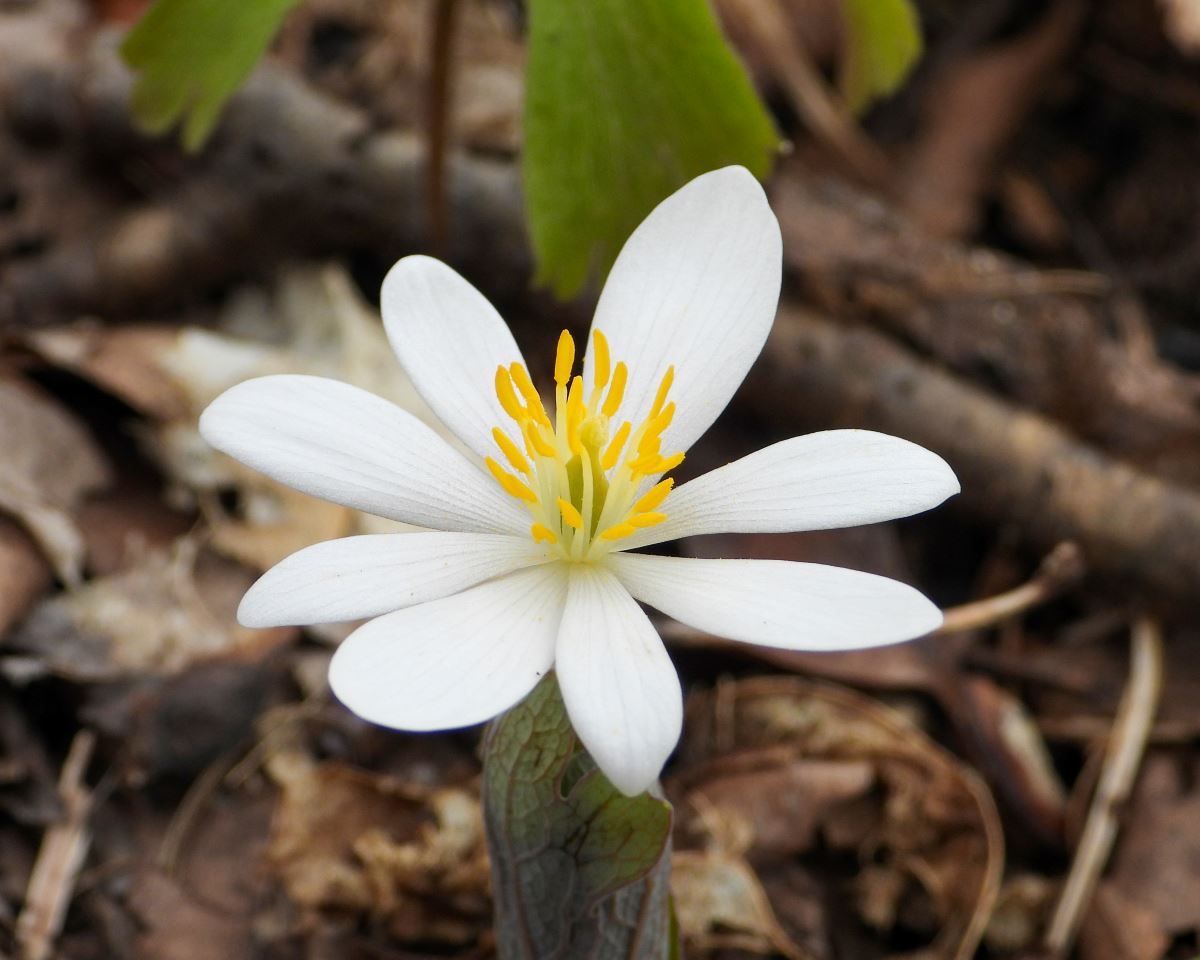
1. Fox Valley Wildlife Sanctuary - Philipston
Fox Valley in Philipston is a 103-acre forest of mixed New England hardwoods and conifers, where a mile-long loop trail winds through diverse habitats, including wetlands that form the headwaters of the Quabbin Reservoir. Steep, rocky hillsides, cool seeps, and historic stone walls reflect both the area’s rich ecology and its past, alongside a sustainably managed forest shaped by FSC-guided stewardship.
Wildflowers dot the forest floor and can be found along Popple Camp Brook.
- Wildflowers to spot: Bloodroot, trillium, pink lady slippers, bunchberry dogwood
- Best time for viewing blooms: May-June

2. Mount Watatic – Ashburnham
One of the most beloved peaks in northern Massachusetts, Mount Watatic is not only a local hiking favorite but also a spectacular spot for wildflower viewing in late spring and early summer. The 3-mile loop trail to Nutting Hill and the summit of Watatic via the Wapack Trail is short but steep, winding through hardwood forests that burst with trillium, wild violets, and lady’s slippers in bloom.
As you ascend, the open summit offers sweeping views stretching into southern New Hampshire and even glimpses of Mount Monadnock. Mount Grace helped permanently protect Watatic in 2002, ensuring that its diverse plant life and natural beauty remain intact for generations.
- Wildflowers to spot: Columbine, Canada mayflower, starflower, lady’s slippers
- Best time for viewing blooms: Mid-May to early July
- Please Note: Parking is only permitted in the designated parking area.

3. Arthur Iversen Conservation Area – Warwick
The Arthur Iversen Conservation Area in Warwick is a 600-acre paradise for anyone who enjoys our region’s forests, especially when brooks and wetlands and waterfalls are included. In the early springtime, Washbowl Falls is in full force and wildflowers can be found throughout the surrounding area.
Along the 2.5-mile Washbowl loop trail, you can find azure bluets, wild geranium, and mountain laurel.
- Wildflowers to spot: Azure bluets, painted trillium, red trillium, wild geranium, mountain laurel, dwarf ginseng, violets
- Best time for viewing blooms: May through early June
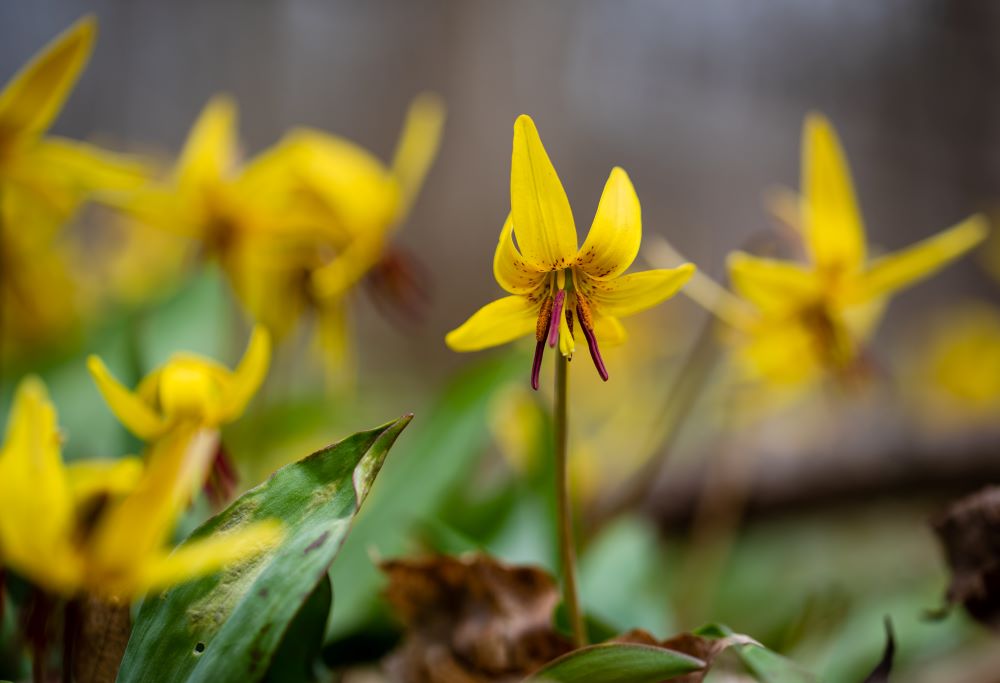
4. Royalston Falls – Royalston
Tucked in the remote woods of Royalston, this 45-foot waterfall isn’t just a visual spectacle — it’s also one of the region’s hidden gems for spring wildflowers. Along the trail, hikers are treated to carpets of trillium and trout lilies blooming beneath towering hemlocks and hardwoods. The cooler microclimate around the gorge supports a rich diversity of plant life, making it a must-visit for wildflower enthusiasts.
- Wildflowers to spot: Trillium, trout lilies, and spring beauty
- Best time for viewing blooms: Late May

5. Fern Glenn Conservation Area
Fern Glenn Conservation Area is a 130-acre landscape where a sprawling boreal swamp meets steep, hardwood-covered talus slopes, creating a striking contrast of rare natural communities. Lush ferns, clubmoss “mini-forests,” and seasonal blooms like rose pogonia orchids make this a uniquely rich destination for plant enthusiasts.
- Wildflowers to spot: Violets, starflower, sessile bellwort, jack-in-the-pulpit, blue-eyed grass
- Best time for viewing blooms: May-June for springtime flowers, July for black-eyed Susan blooms
There’s no shortage of forests and parks to explore across our region. If you’re interested in volunteering to help us maintain our beloved trails, please visit our volunteer page to sign up! If you’d like to join us for an upcoming hike or nature walk, check out our events page.